
Learn More About AZ Pests: Rodents and Mammals
Rodent pest control in Arizona starts with knowing exactly what species you’re dealing with. Use this library to identify the rodents invading your home or property and learn how they behave.
Rodent and Mammal Pest Library Menu:
> Field Mice
> House Mice
> Norway Rats
> Pack Rats
> Roof Rats
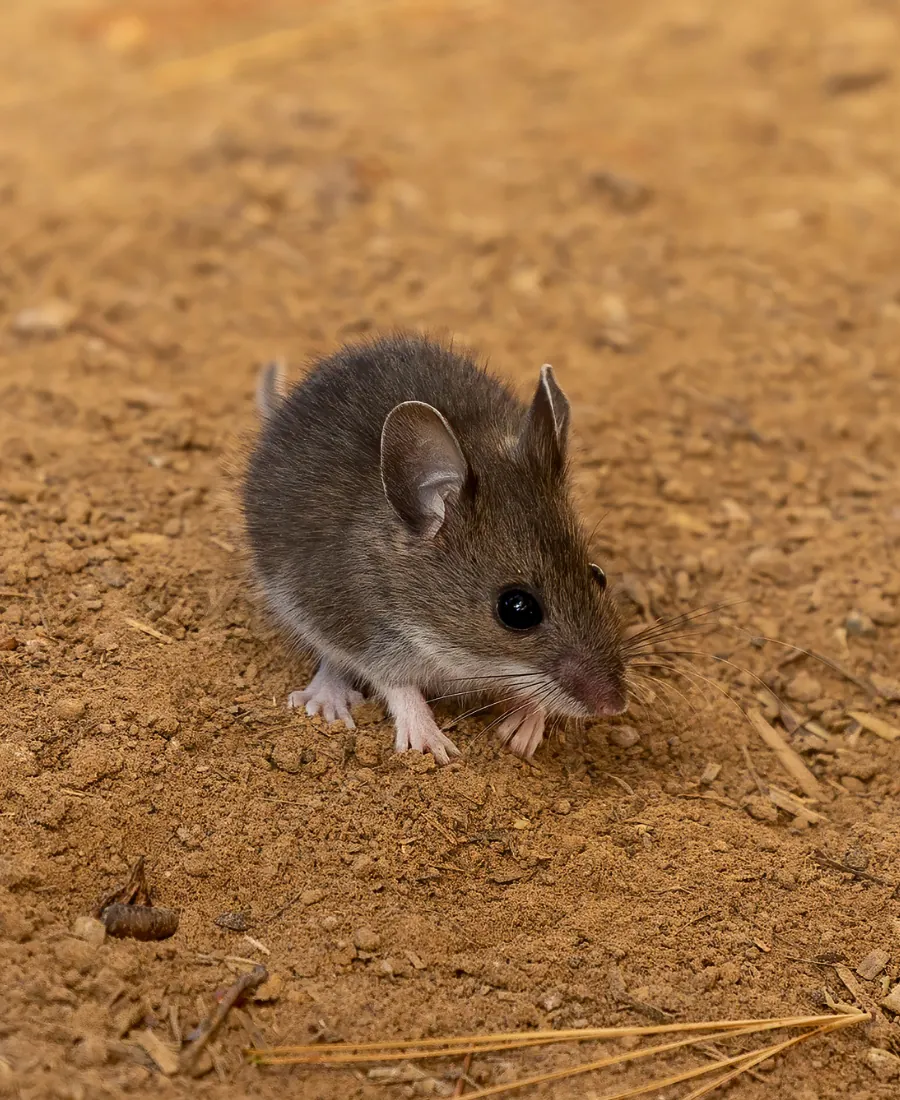
Field Mice
Physical Characteristics:
- Grayish-brown fur with lighter colored underbellies
- Tail is longer than the body
- Very small in size with sharp claws suited for digging and climbing
Behavior:
- Inhabit a wide range of environments including fields, swamps, farms, marsh areas, plains, forests, and old rural homes
- Scavengers that eat whatever they can find — seeds, insects, plant matter, and food scraps
- Rely on their grayish-brown fur for camouflage to avoid predators
Facts:
- Close relatives of the rat, sharing many of the same survival instincts
- Highly intelligent but rarely outsmart their predators — most live less than two years in the wild
- Among the fastest reproducers of any rodent — females are often pregnant every month, with only males venturing out for food during this time
- Baby field mice reach maturity within three weeks and begin reproducing almost immediately

House Mice
Physical Characteristics:
- Small and slender, weighing between 1/2 and 1 oz as an adult
- Large ears and a tail roughly as long as the body
- Typically dark grey on the back with a lighter belly, though they can also appear black, light brownish-grey, or albino
Behavior:
- Curious by nature — if something has changed position or appears out of place, they investigate and adjust their travel routes accordingly
- Prefer to nest in dark, out-of-the-way areas with plenty of soft nesting material nearby
- Have shared human living spaces for over 100 years
Facts:
- Carry diseases and parasites that pose real health risks to people living alongside them
- An adult mouse can squeeze through any opening 1/4 inch or larger, making exclusion a critical part of any effective control strategy
- Not easy to eliminate once established — professional treatment is typically necessary for complete removal
Norway Rats
Common Names: House Rat, Wharf Rat, Sewer Rat, Water Rat, Grey Rat, Brown Rat
Physical Characteristics:
- Adults weigh approximately 12 to 16 oz
- Fur is heavy, thick, and coarse, ranging from reddish brown to grayish brown
- Small ears, large rounded nose, and small dark eyes
- Tail is shorter than the combined length of the head and body — scaly and semi-naked
- Poor eyesight and color-blind, but compensate with a keen sense of smell, touch, taste, and hearing
Behavior:
- Social animals that nest in colonies, typically outside in underground burrows
- Seek shelter in homes, food warehouses, stores, hotels, zoos, sewers, dumps, and farms
- Indoors, they prefer lower parts of a building — when space runs out, they move into wall voids, attics, and furniture
- Prefer foods high in carbohydrates and protein but will also eat small animals, insects, birds, and in sewers, American cockroaches
- Nocturnal — most active at dusk and just before dawn
- Naturally shy and cautious around new surroundings and unfamiliar food, making them notoriously bait-shy
Facts:
- European settlers introduced Norway rats to the United States in 1775
- Larger, stronger, more aggressive, and better adapted to cold weather than any other rat species
- Females produce 4 to 7 litters per year, with each litter containing 8 to 12 pups
- Wild Norway rats live 5 to 12 months; captive rats can live 3 or more years
- Capable swimmers — can travel 1/2 mile in open water, navigate sewers, and dive through water plumbing traps


Pack Rats
Common Names: Wood Rat
Physical Characteristics:
- Liquid black eyes, fluffy grayish-brown fur, and large ears
- Body measures 6 to 9 inches in length with a tail ranging from 5 to 9 inches
Behavior:
- Nocturnal — spend their nights searching for food and nesting materials
- Known for trading behavior — if they find something they want, they drop whatever they are currently carrying and swap it for the new item
- Particularly attracted to twigs, stones, and shiny objects, leading to well-known stories of rats swapping jewelry for a stone
- Herbivores that feed on nuts, seeds, fruit, and foliage
Facts:
- Approximately 22 species of pack rats live in the Southwest, including Arizona
- Their nests, called middens, are remarkably durable — researchers have discovered middens dating back to the Ice Age
- When disturbed, pack rats tap their feet rapidly as a warning signal
- Females produce 1 to 2 litters per year, with 2 to 6 pups in each litter
Roof Rats
Common Names: Black Rat, Ship Rat
Physical Characteristics:
- Smaller and more slender than Norway rats
- Large ears and a long tail
- Sleek body built for climbing and navigating elevated structures
Behavior:
- Skilled climbers that prefer nesting in attics, roofs, and upper structures
- Nocturnal — active at night and rarely seen during the day
- Chew through electrical wiring, insulation, and wood, causing serious structural damage
- Contaminate food and spread disease
- In Phoenix, they use citrus trees and dense vegetation as pathways between trees and buildings
Facts:
- Phoenix’s warm climate and abundant food sources make it one of the most active roof rat environments in Arizona
- Common signs of infestation include spindle-shaped droppings, gnaw marks, nighttime scratching sounds in ceilings or walls, and greasy rub marks along travel surfaces
- Effective control combines property inspections, sealing entry points, eliminating food sources, trimming vegetation away from structures, and placing traps or bait stations along active travel paths
- Infestations grow quickly — professional pest control is the most reliable path to complete, long-term elimination

What Phoenix Customers Are Saying


Atomic Pest Control

Address
1227 N Recker Rd,
Gilbert, AZ 85234
Privacy Policy